The Poás Time-Slot Lottery
I booked my Poás slot eleven days out, which felt responsible. I checked the SINAC booking site every morning for three days until an 8:00 a.m. entry appeared for a Tuesday, grabbed it, paid, and printed the confirmation like it was a boarding pass. Then, the evening before, an email: the park was closing the crater sector the following day due to increased gas emissions. Full refund, no rebooking guarantee, try again another time. I did not see the crater.
I’m not writing this to talk you through the booking mechanics step by step — there’s a dedicated page for that with the actual screens and timing. This is about the thing nobody mentions until it happens to them: booking Poás isn’t really booking a visit. It’s entering a queue for a chance at one, twice.
Why this volcano works differently from Arenal
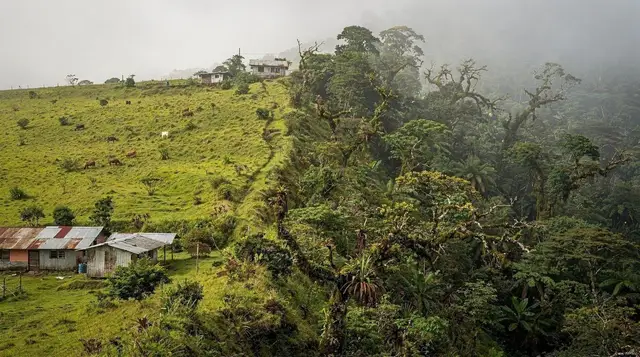
Arenal is the volcano La Fortuna is built around, and it’s mercifully simple to see: you look at it, or you don’t, depending on cloud cover, and there’s no gate deciding whether you’re allowed to try. Poás is a different animal. It’s an active crater at 2,708 m, one of the most accessible in the world in the sense that you can drive a paved road and walk a short path to the rim — and one of the most tightly managed, because that accessibility sits right on top of a vent that periodically vents ash, gas, and acid rain onto the exact spot where visitors stand.
SINAC, the agency that runs Costa Rica’s national parks, caps daily entries and sells them in timed windows. That part is manageable — you plan ahead, you book. What’s not fully within anyone’s control is what the crater is doing that week. When sulfur dioxide readings climb past the park’s internal threshold, the crater-rim sector closes, sometimes for a day, sometimes longer, and SINAC doesn’t run the calendar around geology weeks in advance. It runs it around ticket sales, then reacts to the volcano.
So you’re booking twice: once against other tourists for a slot, and once against the mountain for whether that slot survives to the day you paid for.
The morning slots go first
If you’re weighing dates, know that early entries — the 8:00 and 9:00 a.m. windows — disappear first, often days before anything else on the calendar. There’s a real reason beyond eagerness: mornings tend to have the clearest crater views before afternoon cloud rolls in, same logic as watching for Arenal’s summit. Everyone wants the same two hours, so those go, and what’s often left a week out is a midday or early-afternoon slot with worse odds of an unobstructed view and a higher chance of standing in fog anyway.
I’ve talked to other travelers doing the San José to La Fortuna leg who assumed they could tack Poás onto that drive, buy a ticket at the gate, and keep moving. That’s not how it works. There’s no walk-up entry. If you don’t have a confirmed slot loaded before you leave your hotel, the gate will turn you around, and you’ll have burned the detour for nothing. Poás sits close enough to the San José–La Fortuna route that it’s tempting to treat as a casual stop; treat it instead as its own reservation with its own risk of falling through.
What I’d actually change
Looking back, my mistake wasn’t the booking — I did that early enough. It was building a day around a single unconfirmable variable with no backup. Here’s the honest math I use now:
| Approach | Upside | Real risk |
|---|---|---|
| Book Poás as a standalone day near the start of your trip | Time to rebook if closed | Still might close, and you’ve spent a day |
| Book Poás on your last possible day before flying out | No wasted middle day if it holds | Closure means you simply miss it, no second try |
| Skip Poás, treat La Paz Waterfall Gardens as the San José stopover anchor instead | Zero closure risk, gardens don’t have a gas advisory | You miss an active crater, which is genuinely a different experience |
| Book Poás early in the trip AND keep a loose afternoon later that could absorb a rebooking attempt | Best odds of actually seeing it | Costs you flexibility elsewhere |
I’d pick the last option now. Not because it guarantees anything — nothing here does — but because a single point of failure on a trip where you’ve already committed to several days around La Fortuna is a bad trade for one crater view, however good.
The rim itself, if you get there
For what it’s worth, when the sector is open, the visit is short and regimented by design: a hard hat is required near the rim (they’re provided), and rangers limit how long each group stands at the viewing platform before rotating the next group in. This isn’t a leisurely nature walk — it’s closer to a controlled viewing of an industrial hazard that happens to be spectacular. The crater lake, when visible, is a striking turquoise-grey, and the scale of the thing is hard to photograph honestly. But you should go in expecting the logistics to feel closer to airport security than to a stroll through Arenal’s old lava trail.
Was it worth trying again?
I didn’t rebook on that trip — by the time the refund cleared, my remaining days were already assigned to Río Celeste and Arenal. I don’t regret the choice I made under the circumstances, but I do regret not building in a second attempt from the start. If you’ve got the flexibility, book two windows on non-consecutive days if your itinerary allows it, understanding that’s an extra ticket cost against a real chance you’ll only use one. If you don’t have that flexibility, go in with your eyes open: this is a place where showing up with a plan doesn’t guarantee the plan survives contact with the volcano.
Poás bookings — what people ask me
Do I need to book Poás Volcano tickets in advance?
Yes. Entry is only through SINAC’s online booking system, sold as dated, timed tickets. There is no ticket counter for walk-up visitors, and arriving without a confirmed booking means being turned away at the gate regardless of how far you’ve traveled that day.
How far ahead should I book?
Popular dates and the earliest morning windows can sell out a week or more ahead, especially in the dry season (December to April) and around holiday periods. Booking as soon as your dates are fixed gives you the best chance at a morning slot.
Why does Poás close with no warning?
The park monitors sulfur dioxide and other gas emissions from the active crater. When readings exceed safety thresholds, the crater-rim sector closes to protect visitors, sometimes with only a day’s notice or less. This is a safety measure, not a scheduling failure, and it can happen even with a confirmed, paid booking.
Can I get a refund if my slot is cancelled for closure?
Yes, SINAC issues refunds for tickets cancelled due to park closure, but there’s typically no guaranteed rebooking into an equivalent slot — you’re back in the queue with everyone else.
Is Poás worth the risk of a wasted day?
That depends on your itinerary’s flexibility. If losing a day to a cancelled booking would wreck your trip, I’d lean toward pairing it with something else nearby, like La Paz Waterfall Gardens, so a closure doesn’t mean an empty day.
Can I combine Poás with my drive between San José and La Fortuna?
Only if you book a specific time slot in advance and build real slack into your schedule — the visit itself is short, but the entry window is fixed and non-negotiable, so treat it as a planned stop, not a spontaneous one.
What should I bring to the crater rim?
Closed shoes, a layer for wind and cool temperatures at altitude, and reasonable expectations about cloud cover. Hard hats are provided at the site itself.
Is Poás more reliable to see clearly than Arenal’s summit?
Not particularly. Both are volcanoes with summits that clouds can hide, and both reward early-morning visits. Poás adds the additional variable of possible closure on top of ordinary weather luck.
tours.Planning
Verified deep-linked GetYourGuide tours. Book through these links and we earn a small commission at no cost to you.
GetYourGuide does not provide a product photo for this activity — the image shows the meeting point, photographed by us.