Chocolate and Cacao Workshops Near Monteverde
What is a cacao and chocolate workshop near Monteverde actually like?
It is a small-group, hands-on session on a family farm or cooperative: you open a cacao pod, handle fermented and dried beans, roast and grind them by hand, then temper and taste your own chocolate. It runs 1.5 to 2.5 hours and usually includes a short coffee or sugar cane segment too, which is why several operators bundle all three crops into one visit.
From Cacao Pod to Chocolate Bar in Santa Elena
Every La Fortuna guide worth reading eventually mentions a “coffee, cacao and sugar cane tour,” and it is a fine way to spend a morning near the volcano. What runs near Monteverde and Santa Elena is a different animal. Instead of a single guided walk that touches three crops in passing, the Monteverde-area workshops are built around one process: turning a raw cacao pod into a finished, tempered bar of chocolate, with your own hands doing most of the work.
That distinction matters if you have already read the general coffee-cacao-sugar cane fiche for La Fortuna and are wondering whether to bother with a second, similar-sounding activity up here. The short answer is that they are not really the same activity wearing different names. The La Fortuna version is closer to a farm visit with a chocolate-making demonstration folded in. The Monteverde workshops are closer to a cooking class, with a farm visit folded in.
What “artisanal, not historic” actually means here
Before getting into the process, it is worth being straight about what this activity is not. Coffee has a genuine claim to being a defining feature of Costa Rican history: it built export infrastructure, shaped land reform, and still anchors whole regional economies around San José and the Central Valley. Chocolate does not have that same weight in this country. Cacao was cultivated and used by indigenous groups in the region for centuries, including communities such as the Maleku near Guatuso, but a national chocolate industry on the scale of Ecuador, Venezuela or Ghana never developed here.
What exists today around Monteverde is a cluster of small, mostly family-run operations that grow limited quantities of cacao, process it by hand, and sell the experience as much as the bar. That is not a criticism — the workshops are genuinely well run, and the people leading them usually know their trees and their process in detail. But it is worth knowing you are booking a well-crafted tourism experience on a small farm, not a visit to a historic chocolate region. If a tour description implies otherwise, treat it as marketing rather than history.
The stations: what actually happens during a workshop
Workshops vary a little by farm, but most follow the same sequence, and knowing it in advance makes the experience more interesting rather than less.
The pod. You start outdoors, usually under or near a cacao tree, where the guide cuts open a ripe pod with a machete. Inside, the beans are covered in a white, faintly sweet pulp that most first-timers are surprised to learn is edible on its own — it tastes nothing like chocolate, more like a mild tropical fruit.
Fermentation and drying. Guides explain, usually with samples at different stages, how beans are fermented in wooden boxes for several days (this is what develops the flavour precursors) and then sun-dried for one to two weeks. You will not do this part yourself in real time, but most farms keep beans at different stages on hand to show and smell.
Roasting. Dried beans are roasted over an open flame or on a comal, and this is usually where guests get hands-on: stirring beans over heat, watching the shells begin to crack and lift.
Winnowing and grinding. After roasting, the papery shells are separated from the nibs — often by hand, blowing or picking through them — and the nibs are then ground, traditionally on a heated stone metate. This is physically the most memorable part of most workshops: grinding warm cacao nibs by hand until they turn into a thick, glossy paste is harder work than it looks, and most farms let every guest have a turn.
Tempering and mixing. The paste is combined with sugar, sometimes cinnamon or chilli, and worked until it reaches a workable chocolate consistency. Some workshops pour this into simple molds; others use it directly for a drinking-chocolate style tasting.
Tasting. Nearly every workshop ends with a comparison tasting: your own rough, unrefined chocolate alongside the farm’s finished commercial bars, plus often a small side-by-side of cacao percentages so you can taste the difference sugar makes. This is usually the highlight, and it is where the operators recover a lot of their appeal — the “in-between” texture of hand-ground chocolate is genuinely different from anything shop-bought.
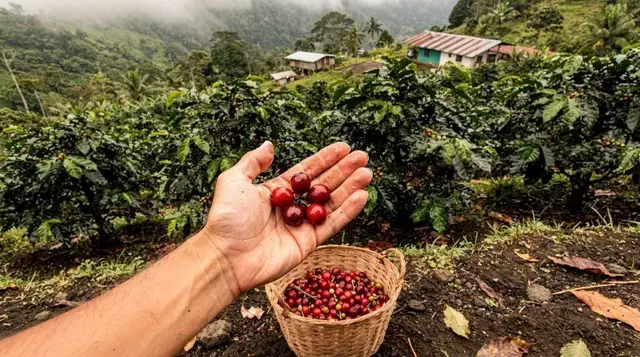
Some farms fold a short coffee segment into the same visit, walking guests past coffee plants and through a basic roasting demonstration, since coffee and cacao are grown on many of the same small properties in this microclimate.
How the tours compare
| Tour | Focus | Typical duration | Best for |
|---|---|---|---|
| Monteverde coffee, chocolate and sugar cane tour | All three crops, cacao-to-bar segment included | 2.5–3 h | First visit, wants the fuller picture |
| Monteverde coffee, sugar cane and chocolate tour | Same three crops, different farm/operator | 2.5–3 h | Alternative if the above is booked out |
| Monteverde guided coffee flights tasting | Coffee only, sensory comparison, no cacao process | 1–1.5 h | Coffee-focused travellers short on time |
The two combined coffee-cacao-sugar cane options are close enough in content that choosing between them usually comes down to availability and pickup logistics rather than a real difference in quality. If chocolate specifically is the draw and you would rather skip the sugar cane segment, ask the operator directly whether a cacao-focused version is offered that day — some farms run both formats depending on group size.
Practical planning
Where to base yourself. These workshops sit inside the broader Monteverde area, close to Santa Elena’s restaurants and shuttle stops. If you are day-tripping from La Fortuna rather than staying overnight, budget the return travel time carefully — see the Monteverde day trip from La Fortuna guide and the jeep-boat-jeep versus driving comparison before committing, since a chocolate workshop plus a cloud forest walk plus a same-day return to La Fortuna is a genuinely long day.
What to wear. Closed shoes and clothes you do not mind getting a little sticky. Cacao pulp and roasted nib oil are messy in a pleasant way, but they do stain light fabric.
Booking window. In high season (December–April) small-group workshops can fill a day or two ahead; in green season, walk-up availability is usually easier. See best time to visit La Fortuna and the north for how the seasons play out on this side of the country too.
Combine it with a forest walk. Because the farms sit close to Santa Elena, many visitors pair the workshop with a morning at Curi-Cancha Reserve, Selvatura Park or the Monteverde Cloud Forest Reserve, then move on to the chocolate workshop in the afternoon once the morning mist has cleared. A guided Monteverde cloud forest walk in the morning leaves the workshop as a relaxed, low-effort close to the day.
Food and coffee after. Santa Elena’s town centre has cafés and small restaurants worth a stop once the workshop wraps up — a useful contrast if you have already tried the food scene around what to eat in La Fortuna and want to compare.
Wildlife on the way. Farms in this area often border forest edges, and it is not unusual to hear or spot birds during the walk between stations — worth keeping in mind if you are also interested in the region’s birdwatching.
Should you do this instead of the La Fortuna version?
If you are only visiting La Fortuna and never making the trip over to Monteverde, the La Fortuna coffee-cacao-sugar cane tour is the sensible choice — no need to travel for a comparable experience. But if your itinerary already includes Monteverde (see La Fortuna and Monteverde for how travellers usually combine the two, and La Fortuna versus Monteverde if you are still deciding how to split your time), it is worth doing the chocolate workshop here rather than in La Fortuna.
The hands-on, process-first format tends to leave a stronger impression than a shorter chocolate segment tacked onto a broader farm tour, and it slots naturally into a Monteverde day that already includes a forest reserve.
Either way, treat this as one pleasant, well-run afternoon activity rather than a pilgrimage to a historic chocolate region — that framing sets the right expectations and, in our experience, is exactly what makes the actual workshop land better than advertised. For a wider view of how this fits with other paired activities in the area, see combo tours in La Fortuna explained, and browse the full coffee and chocolate tours near La Fortuna category or things to do in Monteverde for everything else on offer nearby.
FAQ: Chocolate and Cacao Workshops Near Monteverde
Is chocolate a traditional Costa Rican specialty like coffee?
Not really. Coffee has been central to the Costa Rican economy since the 1800s, with plantations, cooperatives and export infrastructure to match. Cacao was grown and used by indigenous groups long before that, but today’s cacao-to-chocolate workshops around Monteverde and La Fortuna are small, artisanal operations built mainly for visitors, not a historic national chocolate industry on the scale of Ecuador or Venezuela.
How is the Monteverde workshop different from the La Fortuna coffee-cacao tour?
The La Fortuna version is usually a broader guided walk through a working farm covering coffee, sugar cane and cacao in one pass, with a shorter hands-on chocolate segment. The Monteverde workshops lean more into the cacao-to-bar process itself: fermenting, drying, roasting, grinding and tempering, with a full tasting at the end. Read the dedicated La Fortuna guide separately if that broader format suits you better.
How long does a chocolate workshop take?
Most run 1.5 to 2.5 hours. Combined tours that also cover coffee and sugar cane processing tend to run closer to 2.5 to 3 hours.
How much does it cost?
Expect roughly 35 to 60 USD per person for a small-group cacao or coffee-cacao-sugar cane tour, tastings included. Prices are set and displayed in USD by the operators, and quoted rates are indicative, not fixed.
Is the tasting suitable for kids?
Yes, most operators welcome families. The tasting portion is popular with children, though the earlier stations (fire for roasting, hot stones for grinding) need supervision.
Do I need to book in advance?
Booking a day or two ahead is sensible in high season (December to April) since groups are kept small. In green season, availability is usually easier to find on short notice.
Can I combine a chocolate workshop with other Monteverde activities on the same day?
Yes. Many visitors pair a morning cloud forest walk with an afternoon chocolate or coffee workshop, since both are based in or near Santa Elena and run on flexible time slots.
Where exactly do these workshops take place?
On small family farms and cooperatives around Santa Elena and Monteverde, generally a short drive from the village centre. Some operators include hotel pickup in the area; check this before booking.
Coffee and chocolate tours on GetYourGuide
Verified deep-linked GetYourGuide tours. Book through these links and we earn a small commission at no cost to you.
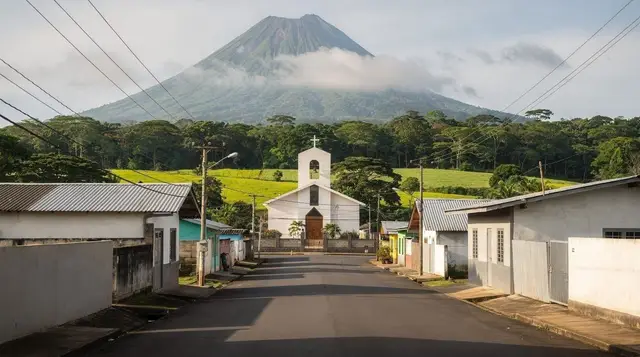
GetYourGuide does not provide a product photo for this activity — the image shows the meeting point, photographed by us.