A Park Run on a Booking System, Not a Turnstile
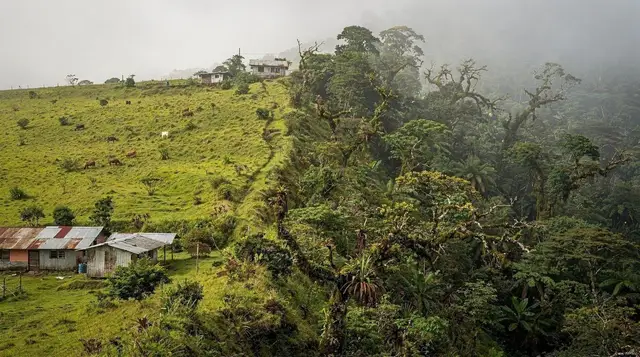
Tenorio Volcano National Park was created in 1995 and covers roughly 180 square kilometres of rainforest straddling the slopes of an active but currently quiet volcano. Almost everyone who visits comes for one destination inside it — the waterfall trail — and almost every mistake travellers make here comes from treating it like a normal, walk-up park. It isn’t. Costa Rica’s national park service, SINAC, manages Tenorio through a daily entry cap and an advance booking system, and the trail itself has a hard internal deadline that has nothing to do with the park’s posted closing time. Get those two things wrong and you can drive over an hour from La Fortuna and be turned away at the gate.
This page covers the practical side: how the ticketing works, what the daily limits mean for your planning, why the trail closes to new entrants in the early afternoon, and how to build a day around it. The turquoise colour of the water itself — what causes it and when it disappears — has its own explanation on the Río Celeste page; this one is about getting there and getting in.
Getting In: SINAC Tickets and the Daily Cap
Entry to Tenorio Volcano National Park is sold through SINAC, the government conservation authority, and tickets are tied to a specific date. In practice almost every visitor buys through a tour operator or a bundled ticket-and-transport package rather than navigating the SINAC portal directly, because the portal is Spanish-language, payment can be finicky for foreign cards, and slots for popular dates sell out. A straightforward option is a standard park entry and waterfall ticket bundled with round-trip transport from La Fortuna, which removes the booking step entirely.
The daily cap exists because the trail is narrow, often muddy, and runs through primary forest that the park is actively trying to protect from erosion. When the cap is reached for a given day, no more tickets are sold for that date — regardless of how far you’ve travelled. This matters most in the dry season (December to April), when Tenorio sees its highest visitor numbers alongside clear photography conditions. Booking a few days ahead, rather than the morning of, is the safer habit.
A second, smaller group of visitors arrives from the Guanacaste or San José side rather than from La Fortuna. If you’re routing through Alajuela or flying into San José, an entrance package built around that direction, including transport to the park and the Blue River can be more efficient than backtracking through La Fortuna first.
What a Ticket Actually Buys
A SINAC ticket is entry to the park and the trail — it is not a guide, and it is not transport. Independent travellers with a rental car can buy entry only and hike unguided; most visitors, however, book a combined product because parking, transport on the unpaved access roads, and a guide who can spot wildlife along the trail add real value here. A private guide is not required by the park, but it noticeably changes what you see: sloths, poison dart frogs and the smaller birds are easy to walk straight past without one.
The Trail: Layout, Distance and the Afternoon Cutoff
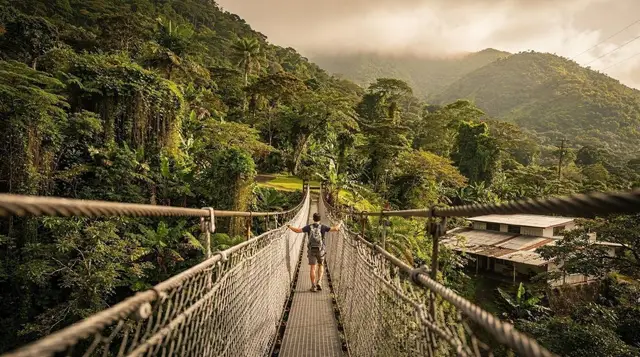
The main trail at Tenorio is an out-and-back path through rainforest, running roughly 6 kilometres round trip depending on which viewpoints you include, with a boardwalk-and-stairs section descending to the main waterfall viewpoint. It is shaded almost the entire way, which is a relief in the humidity, but the descent to the falls and the return climb are steep enough that the walk takes most visitors two and a half to three and a half hours at a comfortable pace, longer with stops for photos or wildlife.
The detail that catches people off guard: the park closes the trail to new entrants well before its overall closing time. Entry to the trailhead cuts off in the early-to-mid afternoon — treat early-to-mid afternoon as your hard deadline for starting the walk, not a soft guideline, and confirm the exact cutoff time printed on your ticket, since SINAC adjusts it seasonally.
Arriving at the gate after that point, even with a valid ticket for the day, does not guarantee you’ll be allowed onto the trail. This is the single most common source of disappointment at Tenorio, and it is entirely avoidable: start early. Visitors who leave La Fortuna at first light and are on the trail by mid-morning give themselves a comfortable buffer; visitors who leave after lunch are gambling with the cutoff.
| What | Detail |
|---|---|
| Round-trip trail distance | Roughly 6 km, forest path with stairs near the falls |
| Typical walking time | 2.5–3.5 hours, unhurried pace |
| Terrain | Shaded, often muddy in green season, moderate stairs |
| Trail entry cutoff | Early-to-mid afternoon — confirm the exact time on your ticket |
| Best arrival window | Park opening through mid-morning |
Planning a Day From La Fortuna
The drive from La Fortuna to the Tenorio area takes roughly one and a half to two hours, mostly on paved roads with a shorter unpaved stretch closer to the park entrance. Because of the afternoon trail cutoff, the workable plan is almost always the same: leave La Fortuna early, arrive with plenty of buffer before the cutoff, walk the trail, and be back on the road by mid-afternoon. A guided small-group waterfall tour that includes pickup from La Fortuna handles the timing for you, which removes most of the risk of arriving too late.
Budget for the day is modest by Costa Rica standards: park entry, transport, and a simple lunch in Bijagua typically run somewhere in the USD 30–70 range per person, depending on whether you book independently or as part of a guided package with a private vehicle. Bring cash in small denominations for anything purchased locally in Bijagua — colones are accepted more evenly there than in the resort-style operations around La Fortuna itself.
For travellers deciding how to fit this into a longer stay, see the comparison in La Fortuna vs. Río Celeste and the broader planning notes in how many days in La Fortuna. A dedicated day trip guide walks through the logistics of the drive itself in more detail, and the best time to visit guide covers how dry-season crowding at Tenorio compares to green-season quiet with a higher chance of a muddier, browner river — a mismatch some visitors have written about directly in the day the Río Celeste was brown.
What Else Is Inside the Park
Most visitors see a narrow slice of Tenorio’s 180 square kilometres — the main trail to the waterfall viewpoint. The park itself is far larger and includes forested slopes reaching toward the volcano’s summit, which is not part of the standard visitor trail and is not typically climbed by tourists. What you will pass along the main path: mixed lowland and premontane rainforest, the confluence point where two rivers meet, smaller cascades below the main waterfall, and a resident population of birds and amphibians that a guide will spot far more of than an independent walker.
Wildlife inside the park itself is a bonus rather than the main draw — Tenorio is not a dedicated wildlife reserve the way Caño Negro is. For a higher likelihood of sloth sightings on the same day, most visitors add a stop at one of Bijagua’s sloth refuges before or after the park, which several combined tours build in directly, including a tour pairing the park entrance with a nearby sloth sanctuary visit.
Bijagua and the Wider Area
The town of Bijagua sits closest to the park entrance and functions as its service base — small restaurants, a handful of lodges, and the sloth refuges that have become a draw in their own right. It’s a quieter, far less commercialised base than La Fortuna, and a number of travellers choose to overnight there rather than day-trip from La Fortuna, particularly if they’re also visiting the Maleku Indigenous Reserve or passing through Guatuso on the way to or from the northern lowlands.
If your route brings you from the Guanacaste side rather than La Fortuna, Upala is the other regional town worth knowing, and some transfer options route through it directly, such as the horseback trip that reaches a different viewpoint of the river system as an alternative to the standard walking trail.
For travellers cross-referencing activity categories rather than places, Tenorio and Río Celeste sit under the site’s volcano hikes and waterfalls categories, and the destination-level activity index for the park is at things to do at Río Celeste and things to do at Tenorio Volcano National Park. An itinerary built specifically around this pairing is laid out in La Fortuna and Río Celeste.
What to Bring
Closed-toe hiking shoes are non-negotiable — the trail has stairs, roots and mud, and open sandals are genuinely unsafe on the descent. Bring a light rain layer regardless of season; this is rainforest, not dry forest, and showers arrive without much warning even in the dry months. Insect repellent, a reusable water bottle, and cash for entry or snacks in Bijagua round out the list. Swimming is not permitted at the main waterfall viewpoint, so pack expectations rather than swimwear for that stop specifically.
Frequently Asked Questions About Visiting Tenorio Volcano National Park
Can I just show up at Tenorio without a ticket?
No. SINAC limits how many visitors can enter each day, and tickets are sold in advance online or through tour operators. Walk-up entry is not guaranteed, and on busy dry-season days the day’s allocation can be sold out before you arrive.
What time does the trail actually close?
New entrants are cut off in the early-to-mid afternoon, well before the park’s overall closing time. The exact cutoff shifts seasonally, so check the time printed on your ticket rather than assuming — and plan to be walking well before it, not arriving at it.
How long does the hike take?
Budget two and a half to three and a half hours for the roughly 6-kilometre round trip, including the stairs down to the main waterfall viewpoint and back up. Add time if you’re stopping often for wildlife or photos.
Can I swim at the waterfall?
No, swimming is not permitted at the main viewpoint. It’s a lookout stop, not a swimming spot.
Is a guide required?
No, a guide isn’t required by the park, but most visitors book one because guides consistently spot wildlife that independent hikers walk past, and a combined ticket-and-transport package also removes the logistics of driving and parking.
How far is Tenorio Volcano National Park from La Fortuna?
Roughly one and a half to two hours by road, mostly on paved roads with a shorter unpaved stretch near the entrance.
What’s the best time of year to visit?
December through April, the dry season, gives the most reliable trail conditions and the best odds of clear water at the falls. Green season (May–November) brings a real chance of the river running higher and browner after heavy rain.
Should I combine Tenorio with anything else that day?
Bijagua’s sloth sanctuaries are the natural add-on, either before or after the park, and several tours bundle the two. Trying to combine Tenorio with a full Río Celeste exploration and a separate distant stop in one day usually means rushing the trail cutoff — better to treat it as a half-to-full day on its own.